If you’re deep into ARC Raiders—dropping into dangerous zones, dodging lethal ARC machines, and juggling loot like your backpack is a pocket dimension—then you already know the real endgame: staying organized enough to actually build the stuff you want. That’s exactly where Arc Blueprint Tracker for ARC Raiders comes in: it’s a clean, practical blueprint tracker built for players who want a faster way to track blueprints, manage crafting progress, keep tabs on required materials, and plan efficient runs without constantly relying on memory or messy notes. Whether you’re a completionist hunting every blueprint, a crafter trying to prioritize upgrades, or the kind of raider who always forgets “one last part” until you’re back at base, a dedicated ARC Raiders blueprint tracker turns the chaos into a checklist—helping you build a repeatable gameplay loop: loot → log → plan → craft → repeat.
If you want to try it right away, here’s the official site and the Android download:
ArcBlueprintTracker.org
Google Play (Android App)
Why Blueprint Tracking Matters In ARC Raiders
In ARC Raiders, progression isn’t just about winning fights—it’s about converting successful raids into long-term upgrades. The better you track what you’ve unlocked, what you’re missing, and what’s worth chasing next, the more intentional your runs become.
A good blueprint tracking habit helps you:
- Reduce wasted runs where you bring back “nice loot” but not the loot you actually need.
- Spot bottlenecks early (that one component you always seem short on).
- Prioritize crafts that improve your survivability and efficiency.
- Keep momentum after rough raids, because you can re-plan quickly instead of feeling stuck.
What An Arc Blueprint Tracker Typically Helps You Do
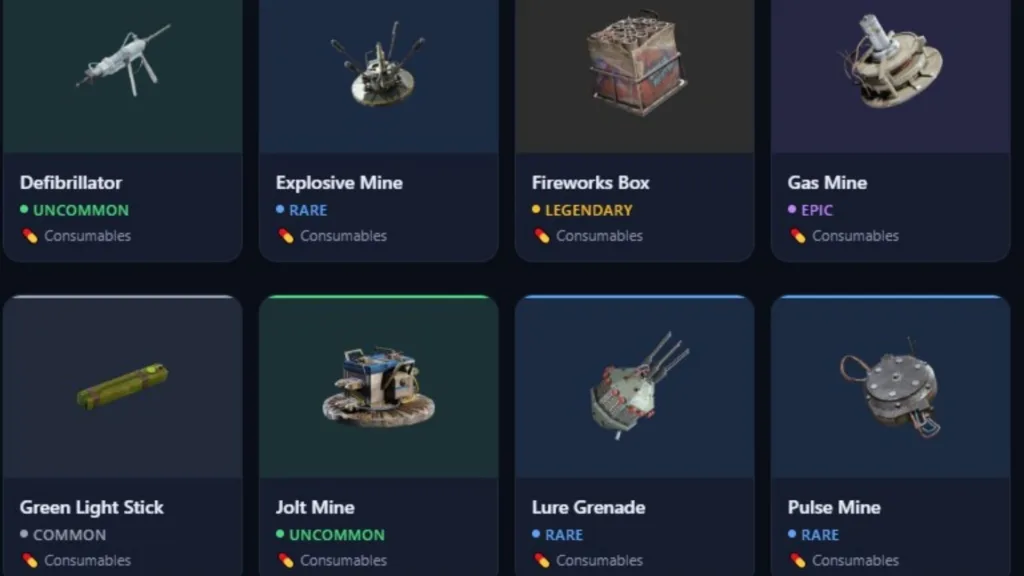
Different players use trackers in different ways, but the most useful blueprint tracker features for ARC Raiders usually revolve around clarity and speed. Here’s what you’ll likely want to use it for:
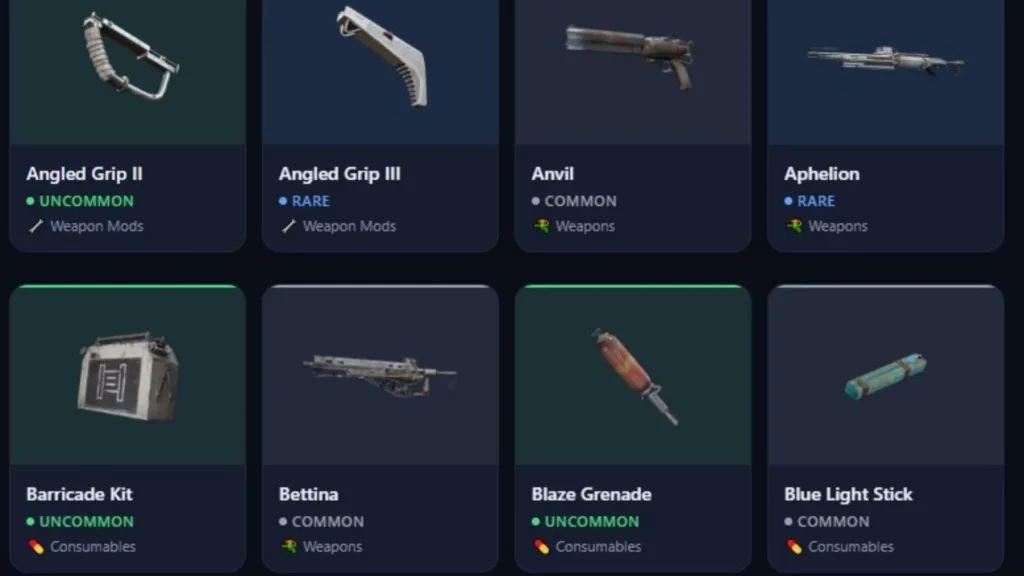
- Blueprint collection tracking: Mark what you’ve obtained and what’s still missing.
- Material requirement planning: See what parts/resources you need for upcoming crafts.
- Progress snapshots: Quickly check how close you are to completing a craft path.
- Run planning support: Decide what to target before you drop, not after you return.
Even if you’re not a spreadsheet person, a tracker can feel like an in-game “mission board” you control.
How To Use Arc Blueprint Tracker In Your Normal Play Loop
The easiest way to make a tracker actually useful is to plug it into the rhythm you already have in ARC Raiders. Try this simple loop:
- Decide your next craft goal
Pick one upgrade or item you want to work toward (not ten). A single clear target makes your raids feel purposeful. - Update your blueprint status
After a raid session, mark any new blueprint finds and update progress on what you’re building. The key is consistency—small updates beat big “catch-up” sessions. - Identify your top missing materials
Choose 2–4 materials/components you’re short on. That becomes your shopping list. - Plan your next drop around that list
Your next run becomes smarter: route choices, risk tolerance, and looting decisions all get easier when you know what matters most. - Craft, then choose the next goal
After crafting, immediately set the next target so you don’t drift into random grinding.
Best Practices For Tracker-Driven Progress (Without Killing The Fun)
Using a tracker shouldn’t turn ARC Raiders into a chore. Keep it lightweight:
- Track goals, not everything: If you try to perfect-log every tiny detail, you’ll quit using it.
- Focus on “next craft” visibility: The most valuable view is what you need right now.
- Keep a flexible priority list: Your target may change based on what RNG gives you—let the tracker adapt, not stress you out.
- Use it after sessions, not mid-action: Don’t break immersion during runs; update when you’re safely back.
Who This Is For (And Who Can Skip It)
You’ll love a blueprint tracker if you are:
- A completionist who wants every blueprint.
- A progression-focused player who crafts frequently.
- Someone playing in short sessions who needs quick “what next?” clarity.
You can probably skip it if you are:
- Purely casual and happy to craft whatever happens naturally.
- Only playing occasionally and not chasing specific build paths.